
TECHNOLOGY / MATERIAL
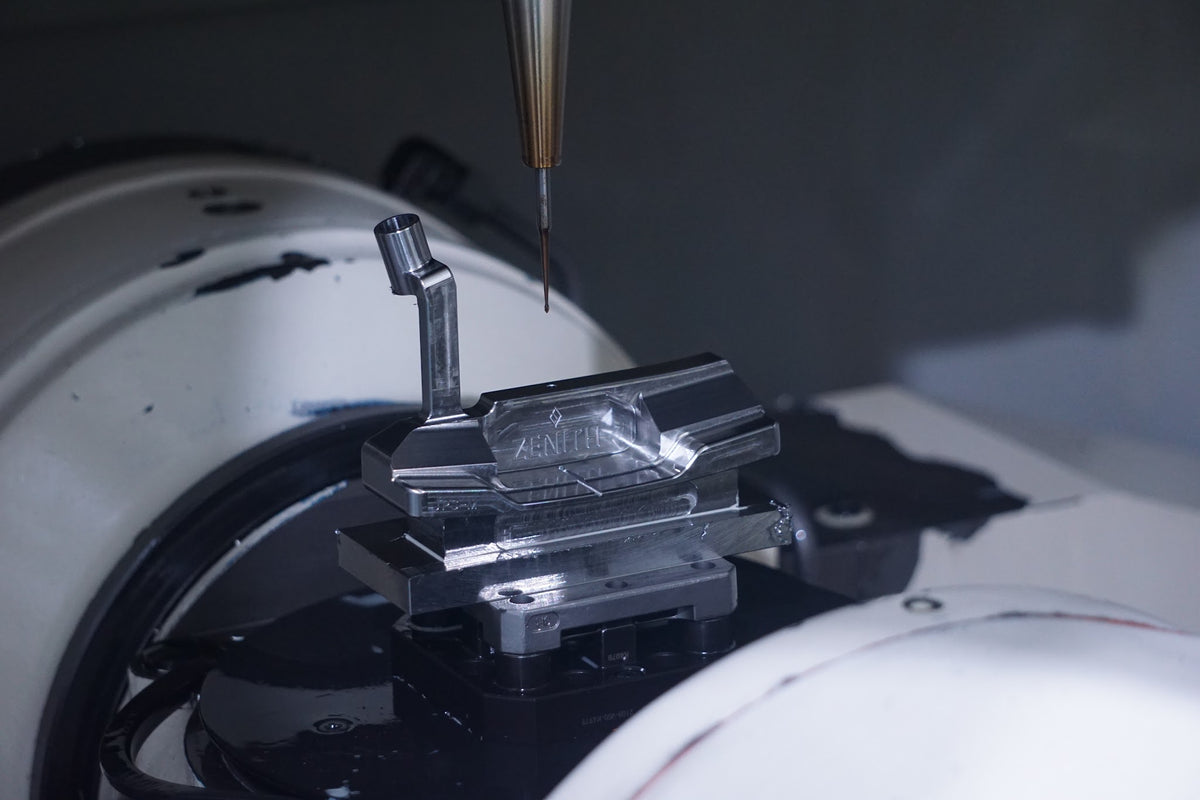
What Is Machining from an Ingot?
This manufacturing method shapes a block of metal by machining it with machine tools based on design data. It is characterized by its ability to reproduce shapes with high precision and easily accommodate custom specifications.
What Is Casting?
This manufacturing method shapes metal by melting it and pouring it into a mold. It is suitable for mass production and makes it easy to create complex shapes.

Difference Between Machining and Casting
The main difference between machining and casting is whether the shape is created using a mold or by machining it directly from a block of metal.
Casting uses a mold, which requires an initial cost for mold production, but once the mold is completed, the same shape can be mass-produced efficiently. On the other hand, changing the shape requires modifying or remaking the mold.
Machining does not require a mold, and the shape and specifications can be changed relatively flexibly by modifying the design data. Furthermore, while it is easier to reflect design values with high precision, it is a manufacturing method where the machining time for each piece is long, and material and processing costs tend to be higher.
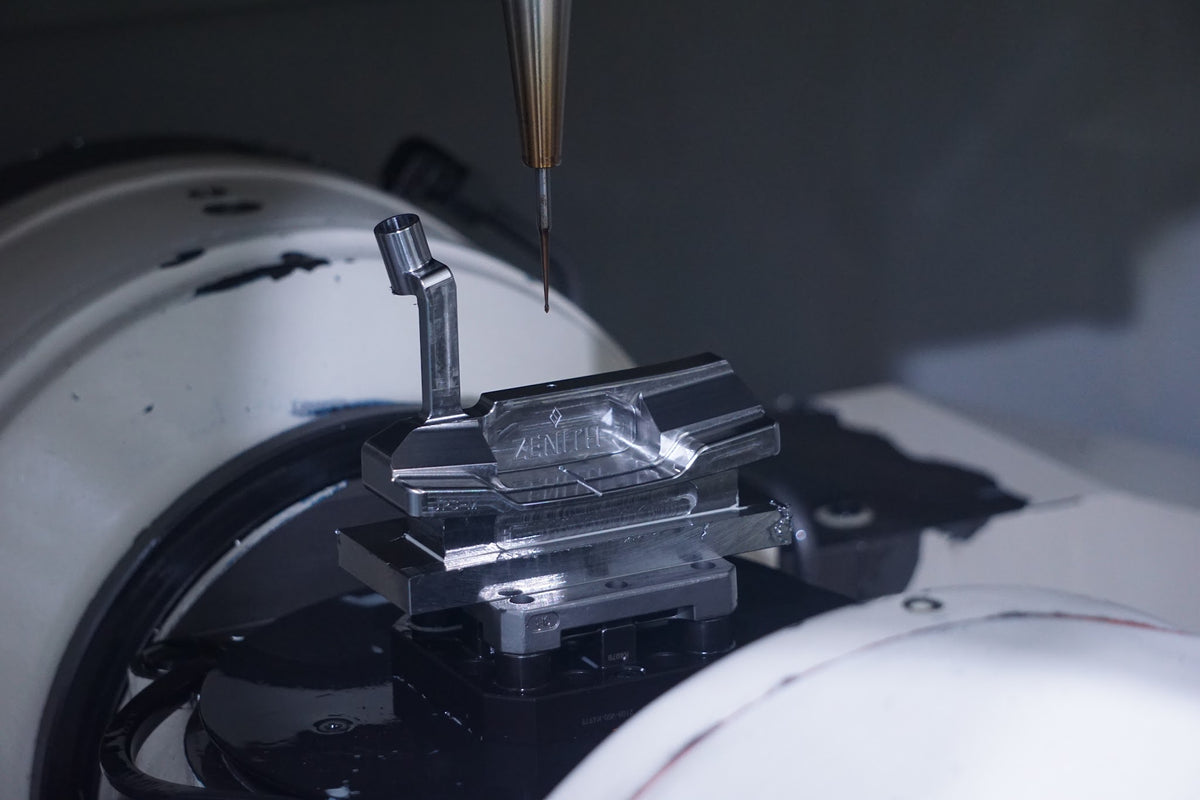
Why ZENITH Chooses Milling ① Design
At ZENITH, we adjust the specifications for each player based on the results of their fitting.
Because milling does not require molds, we can precisely reflect the lie angle, loft angle, head weight, shape, and other details for each model simply by modifying the design data.
The ability to translate the values derived from a fitting directly into the design.
This high degree of design flexibility is one major reason why milling is ideal for creating custom-made putters tailored to each individual.
Why ZENITH Chooses Milling ② Precision
With putters, even slight differences in dimensions and weight can affect how easy they are to square up, the stroke, and the feel at impact.
ZENITH uses milling to reproduce the designed shape, angles, and head weight with high precision.
By machining directly from a solid block of metal based on the design data, we can precisely control the dimensions and weight of each model and finish them to the intended specifications.
Reflecting the values derived from a fitting as faithfully as possible in a single putter.
Supporting that level of reproducibility is what "manufacturing precision" means to ZENITH.
Why ZENITH Chooses Milling ③ Materials
At ZENITH, we also place great importance on allowing the unique characteristics of each material, such as SUS303P and JPS, to be reflected as faithfully as possible in the putter.
Because milling shapes a putter by machining directly from a solid block of material, it is a manufacturing method that makes it easier to utilize the hardness, vibration characteristics, feel, and sound of the material itself.
Why ZENITH Chooses Milling ④ Small-Batch Production
ZENITH is not a brand that mass-produces putters with identical specifications.
We customize the model, lie angle, loft angle, head weight, shaft length, and more for each individual based on their fitting results.
Because milling does not require molds, it is a manufacturing method well-suited for high-variety, small-batch production and made-to-order production with individual specifications.
We can adjust the design data for each putter and move directly to production.
Creating the right putter with the right specifications.
Milling is the manufacturing process that supports ZENITH's approach to craftsmanship.
Disadvantages of Machining - Multiple Processes for a Single Unit
While machining offers a high degree of design freedom and precision, it is not a highly efficient manufacturing method.
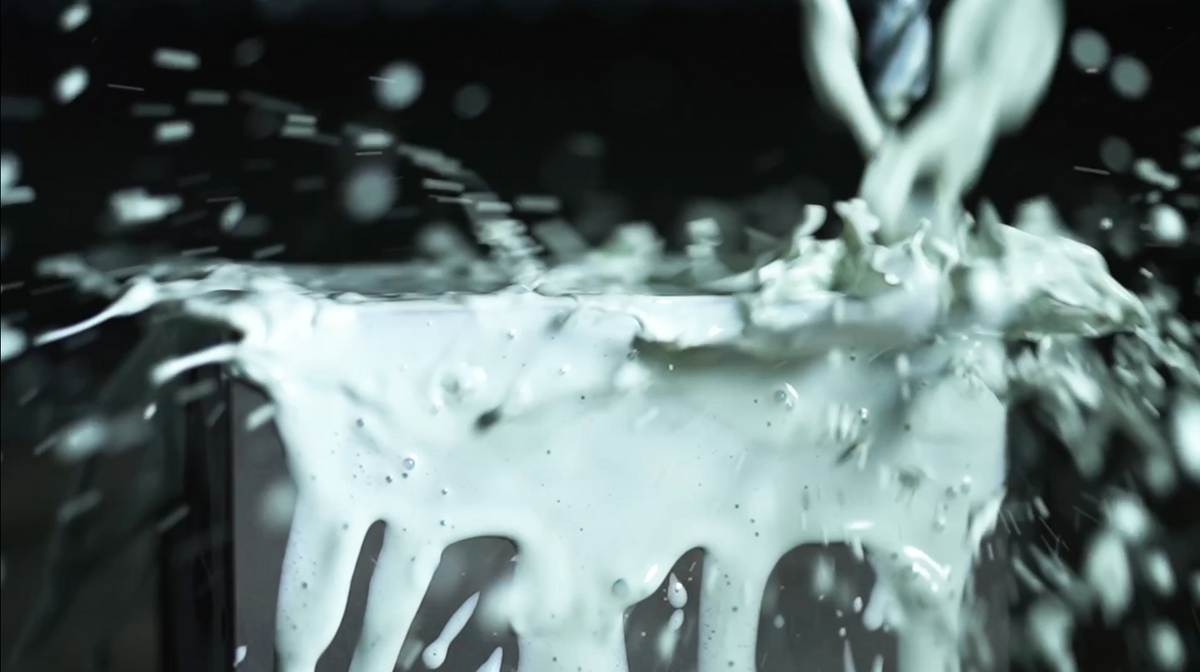
Because the shape is created by machining away unwanted material from a metal block, the processing time per unit is long, and there is also significant material loss from cutting.
However, the swarf (machining chips) generated during processing is not discarded but is collected and reused as a metal resource.
Furthermore, it tends to require more tools, processing equipment, and manufacturing steps, making production costs higher compared to casting, which is designed for mass production.
In addition, if a defect occurs during processing, it is difficult to redo the preceding steps, requiring strict technical management to complete a single unit.
At ZENITH, we adopt machining with a full understanding of these disadvantages in order to prioritize custom design and highly precise reproducibility.
Relationship with Feel and Sound
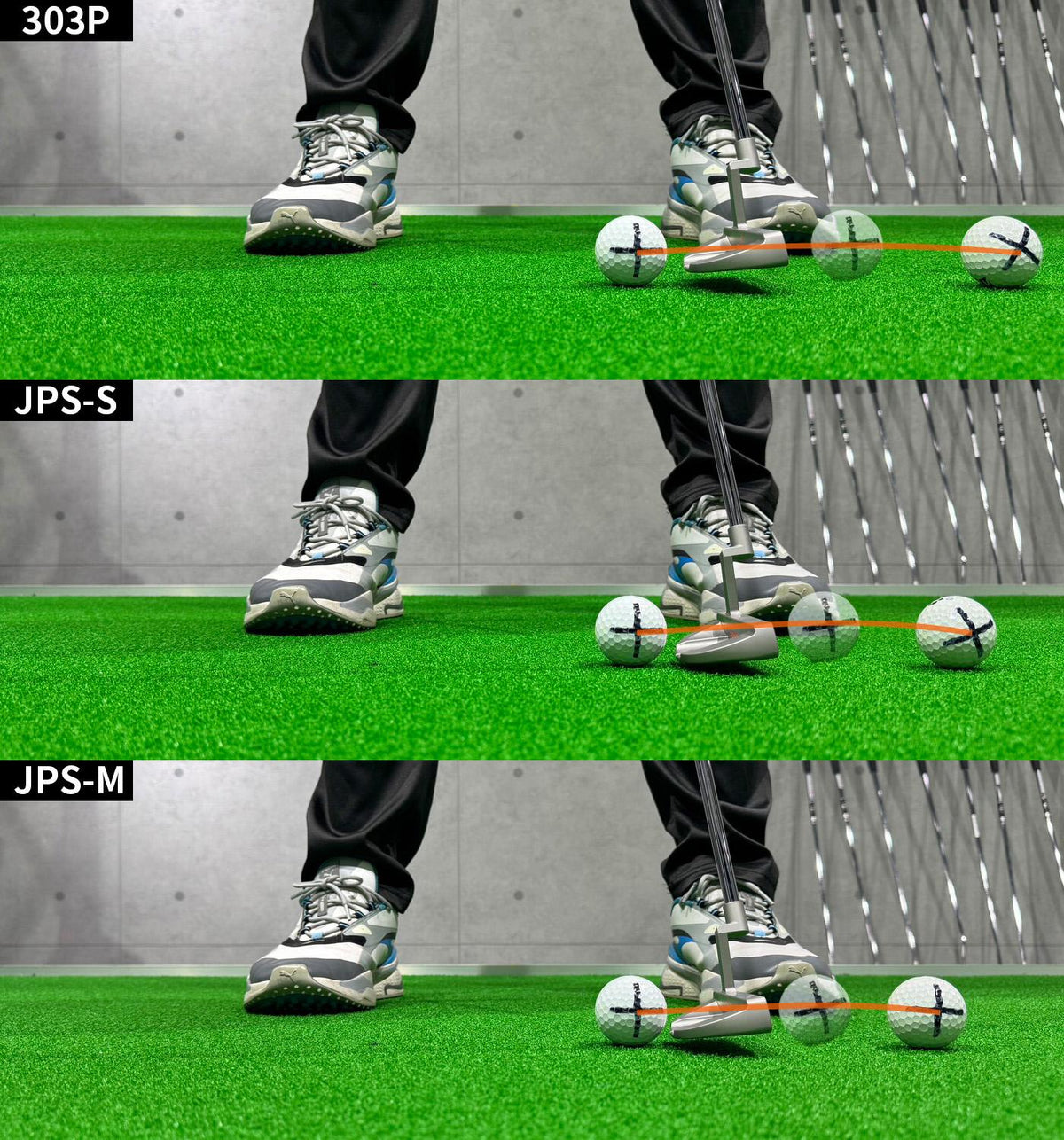
Feel and sound are not determined by the manufacturing method alone.
They are greatly influenced by the combination of the hardness and vibration characteristics of the materials used, the shape and depth of the face milling, the head shape, weight, and other factors.
Therefore, it cannot be generalized that "machined = soft" or "cast = hard".
At ZENITH, we do not use machining as an end in itself to create a certain feel. Instead, we utilize it as a means to achieve the desired feel and sound by taking advantage of the characteristics of each material and incorporating milling and design.
By distinguishing and combining the roles of manufacturing method, material, and milling, we create a feel that is unique to ZENITH.

The Connection with Fitting
ZENITH fitting is designed to assess each player's unique stance and stroke and determine the specifications best suited for them.
The machining process accurately translates the determined lie angle, loft, head weight, shaft length, and other specifications into a single, custom club.
Rather than choosing a player to fit the mold, we adjust the design data to suit the player and bring that design to life.
Fitting and machining are not separate processes; they are connected to realize ZENITH's philosophy of "matching one putter to one player."